Greensleep x Go Forest: 300 trees, planted with care

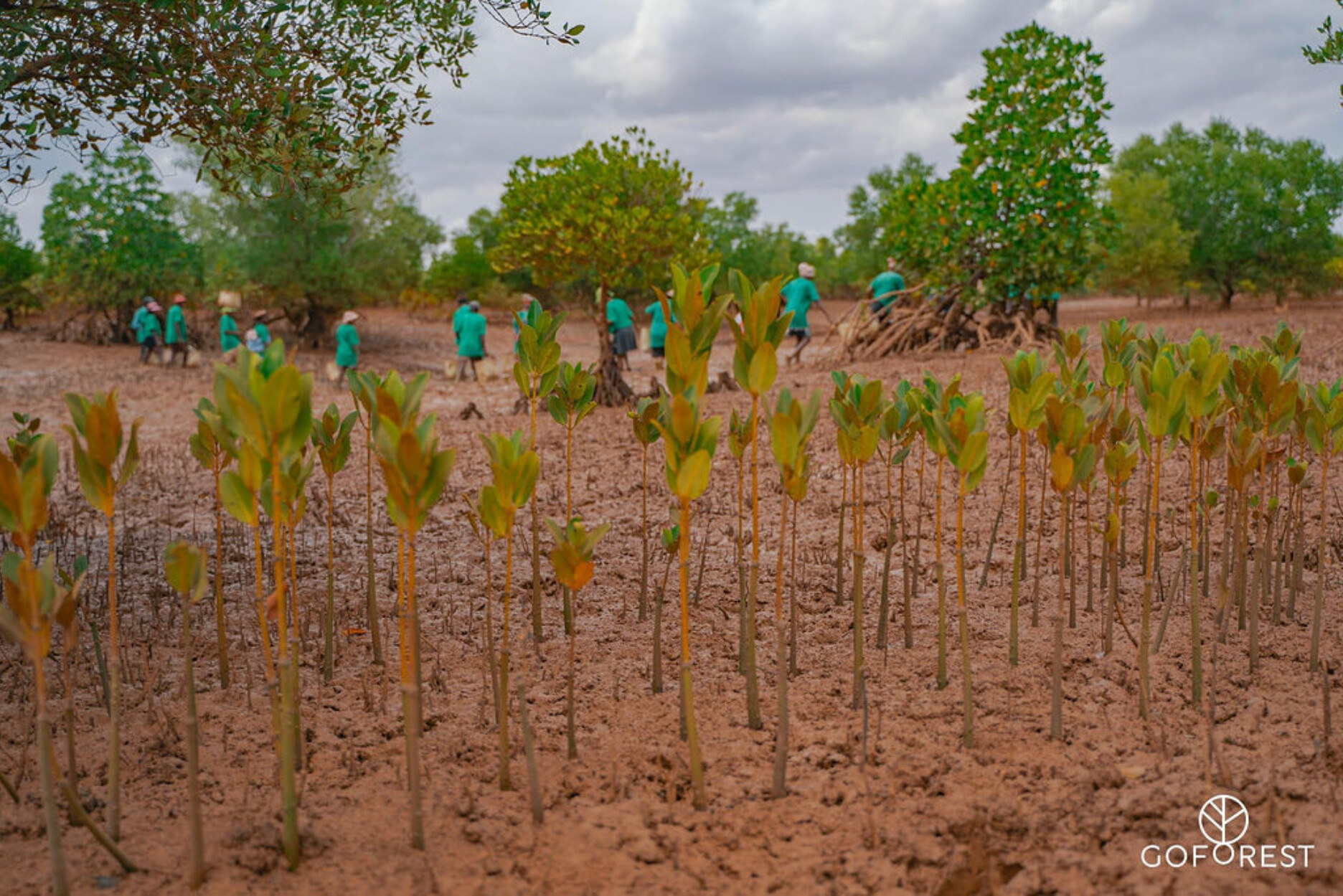
Mangroves in Madagascar
Caring for natural materials doesn’t stop with the finished product. It also means caring for nature itself.
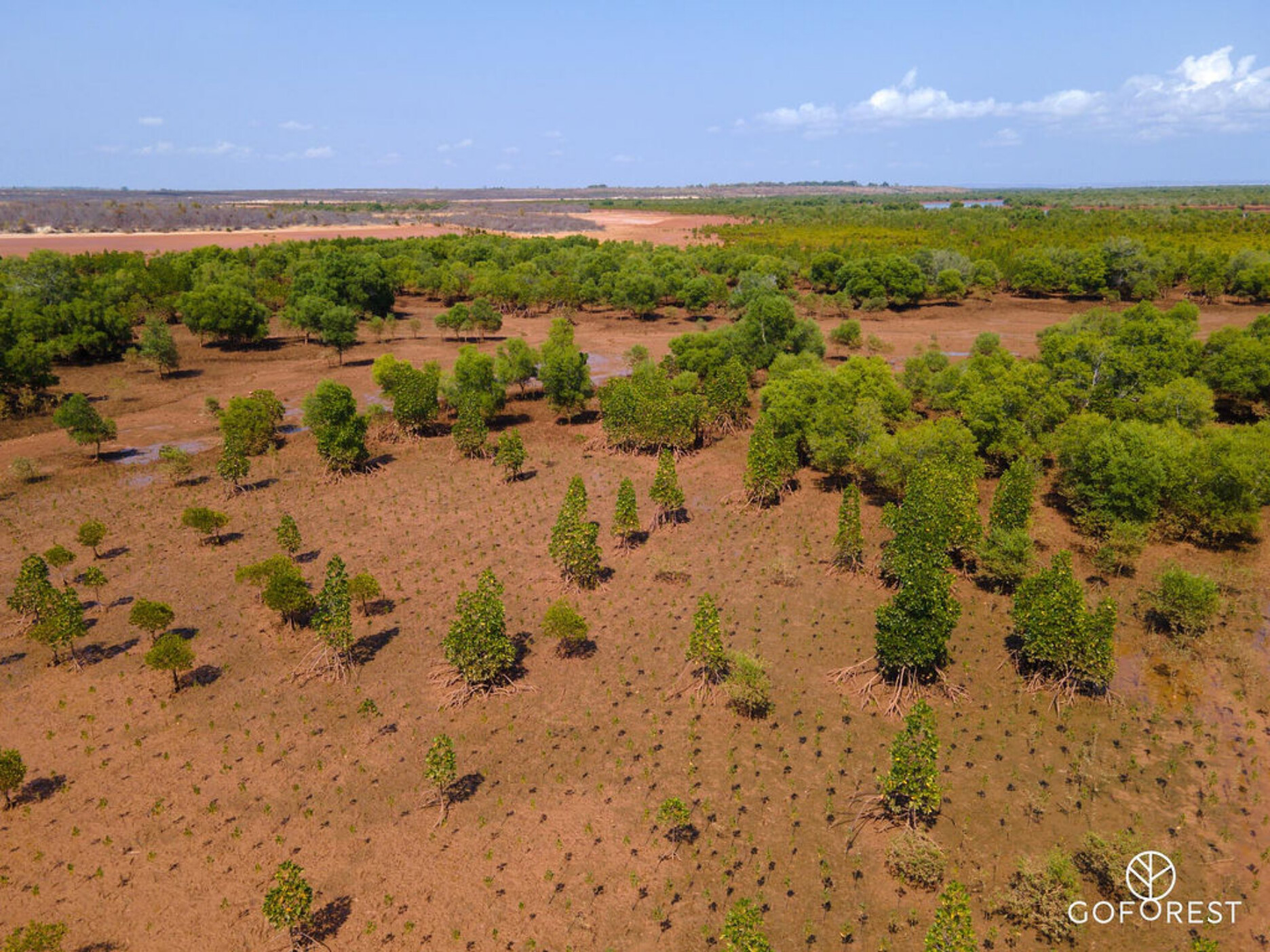
That’s why Greensleep has joined forces with GoForest, an environmental organisation based in Ghent that restores forests where they are needed most. Together, we planted 300 mangrove trees in Madagascar. Not as a symbolic gesture, but as a conscious step within a much broader story.
Why mangroves?
Mangroves are not ornamental trees. They protect coastlines from erosion, store large amounts of CO₂, and provide a nursery for fish and countless other forms of life. In other words, they do exactly what nature does best: care, protect, and stay in balance. That resonates with us.
What this has to do with Greensleep
At Greensleep, we work every day with what nature provides: wool, natural latex, cotton.
Not because it sounds good, but because it works better — for your sleep and for the world around you.
This partnership fits naturally into that way of thinking.
Not as a marketing layer, but as an extension of how we operate:
- we choose pure materials
- we make long-term decisions
- we understand that sustainability is not a destination, but an ongoing search
Just as a mattress is never truly “finished” without considering the person sleeping on it.

Why Go Forest?
Because they focus on what matters to us: practical action, transparent communication, and planting trees where they truly make a difference. No promises without ground beneath them. But roots. Quite literally.

Small gesture, real impact
Three hundred trees won’t solve everything. We know that. But doing nothing solves nothing at all. For us, this is a beginning. One that reflects who we are and where we want to go:
sleeping more gently, with greater respect for the nature that figured it all out long before we did.
Follow the story
If you’d like to see what those 300 trees mean in practice, you can follow our impact profile with GoForest. It shows where trees are planted, how many are growing, and what impact they have over time.